Every Device a Door: The Hidden Cybersecurity Risks Living Inside Your Smart Home
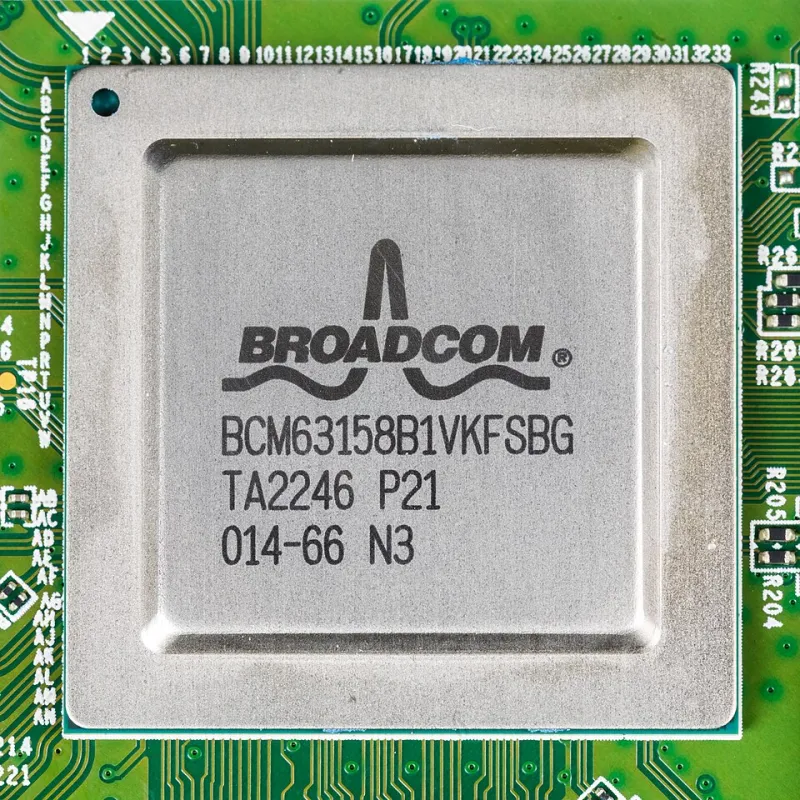
Photo: Raimond Spekking, CC BY-SA 4.0, via Wikimedia Commons
The average American household now contains somewhere between ten and fifteen internet-connected devices — and that number is almost certainly an undercount. Alongside smartphones and laptops sit smart speakers, video doorbells, baby monitors, robotic vacuums, fitness wristbands, connected thermostats, and vehicles that phone home to manufacturer servers dozens of times per day. Each of these devices represents a convenience. Each one also represents a potential point of entry for a determined adversary.
Cybersecurity professionals have a term for this sprawling landscape: the Internet of Things, or IoT. And for years, they have been issuing warnings that most consumers — and, frankly, most device manufacturers — have chosen to ignore.
The Problem Is Structural, Not Incidental
Understanding why IoT devices are so persistently vulnerable requires looking past individual products and examining the industry incentives that produced them. Consumer electronics manufacturers compete primarily on price, features, and time-to-market. Security, which is expensive to implement correctly and invisible to the average shopper browsing a retail shelf, has historically ranked near the bottom of the priority list.
The result is a market flooded with devices running outdated operating systems, shipping with default passwords that are never changed, and receiving firmware updates sporadically — if at all. A 2023 analysis by cybersecurity firm Forescout found that the majority of enterprise and consumer IoT devices in the United States were running software with at least one known, unpatched vulnerability. For devices that have reached their manufacturer-defined end-of-life, that figure climbs dramatically.
What makes this particularly troubling is the longevity of these products. A smartphone is typically replaced every two to three years. A smart thermostat or a connected security camera might remain installed and operational for a decade, long after the company that built it has stopped issuing security patches — or, in some cases, long after that company has ceased to exist entirely.
Real Breach Scenarios: Not Hypothetical
The risks are not theoretical. In 2016, the Mirai botnet — a piece of malware that specifically targeted IoT devices — enslaved hundreds of thousands of connected cameras, routers, and digital video recorders. The resulting distributed denial-of-service attack temporarily knocked major portions of the internet offline, disrupting access to Twitter, Netflix, Reddit, and dozens of other platforms. The computing power that made the attack possible came almost entirely from devices sitting in people's homes, commandeered without their knowledge.
More recently, researchers have demonstrated attacks against connected vehicles that allowed remote manipulation of steering and braking systems. Smart home hubs have been exploited to pivot deeper into home networks, allowing attackers to reach computers and phones that were otherwise well-protected. Baby monitors have been hijacked by strangers who used their speakers to communicate with children. In each case, the compromised device was not the ultimate target — it was the doorway.
Fitness trackers and smartwatches introduce a different category of exposure. These devices continuously collect biometric data — heart rate, sleep patterns, GPS location, menstrual cycles — and transmit it to cloud platforms governed by privacy policies that few users read. When those platforms suffer data breaches, the consequences are intimate in ways that a leaked email address simply is not.
The Liability Gap That Protects No One
American consumers currently benefit from limited federal protections specific to IoT security. The IoT Cybersecurity Improvement Act of 2020 established minimum security standards for devices purchased by the federal government, but its reach into the consumer market is narrow. Several states, including California and Oregon, have enacted legislation requiring manufacturers to equip connected devices with reasonable security features, but enforcement has been inconsistent and penalties modest.
When a breach occurs through a compromised smart home device, the question of who bears responsibility is legally murky. Manufacturers frequently point to terms-of-service agreements that disclaim liability for security incidents. Internet service providers rarely accept culpability for traffic traversing their networks. The consumer, who may not have possessed the technical knowledge to recognize or remediate the vulnerability, is often left to absorb the consequences alone.
Advocates for stronger regulation argue that meaningful change will require federal legislation that mandates minimum security standards, requires timely patch delivery, and establishes clear liability frameworks. Until that legislative landscape shifts, the burden of protection falls disproportionately on individual users.
Auditing Your Own Ecosystem
Securing your connected devices does not require abandoning them. It does require deliberate attention. The following steps represent a practical starting point for most households.
Inventory everything. Most people significantly underestimate how many devices on their network are internet-connected. Log in to your router's administrative interface and examine the list of connected devices. You may find equipment you had forgotten about entirely.
Change default credentials immediately. Many IoT devices ship with factory-set usernames and passwords — often something as elementary as "admin" and "password" — that are publicly documented and trivially exploited. Change these before the device is connected to your network.
Keep firmware current. Enable automatic firmware updates wherever the option exists. For devices that do not support automatic updates, establish a calendar reminder to check for patches quarterly.
Segment your network. Most modern routers support the creation of a separate guest network. Placing your IoT devices on a network that is isolated from your computers and phones limits the damage an attacker can do if one of those devices is compromised. They gain a foothold on the IoT segment — not on the network where your sensitive data lives.
Retire devices that no longer receive support. If a manufacturer has stopped issuing security updates for a device, that device is a liability. Replacing it is an inconvenience; leaving it connected is a sustained risk.
Research before you purchase. Before adding a new device to your home, investigate the manufacturer's track record on security updates and their stated support lifecycle. A device from a company with a strong security posture and a multi-year update commitment is worth more than a cheaper alternative that will be abandoned in eighteen months.
The Broader Implication
The proliferation of connected devices represents one of the most significant expansions of personal attack surface in the history of consumer technology. Unlike a compromised email account — bad as that is — a compromised smart home can expose your physical location, your daily routines, your health data, and potentially the security of your entire household network.
CipherWatch will continue tracking the legislative developments, notable breach incidents, and emerging research that shape this landscape. For now, the most important step any reader can take is acknowledging that the problem exists — and that the devices sitting quietly on their shelves and walls are not as passive as they appear.